
BennyBee Journal
Why Handmade Soap Takes Time
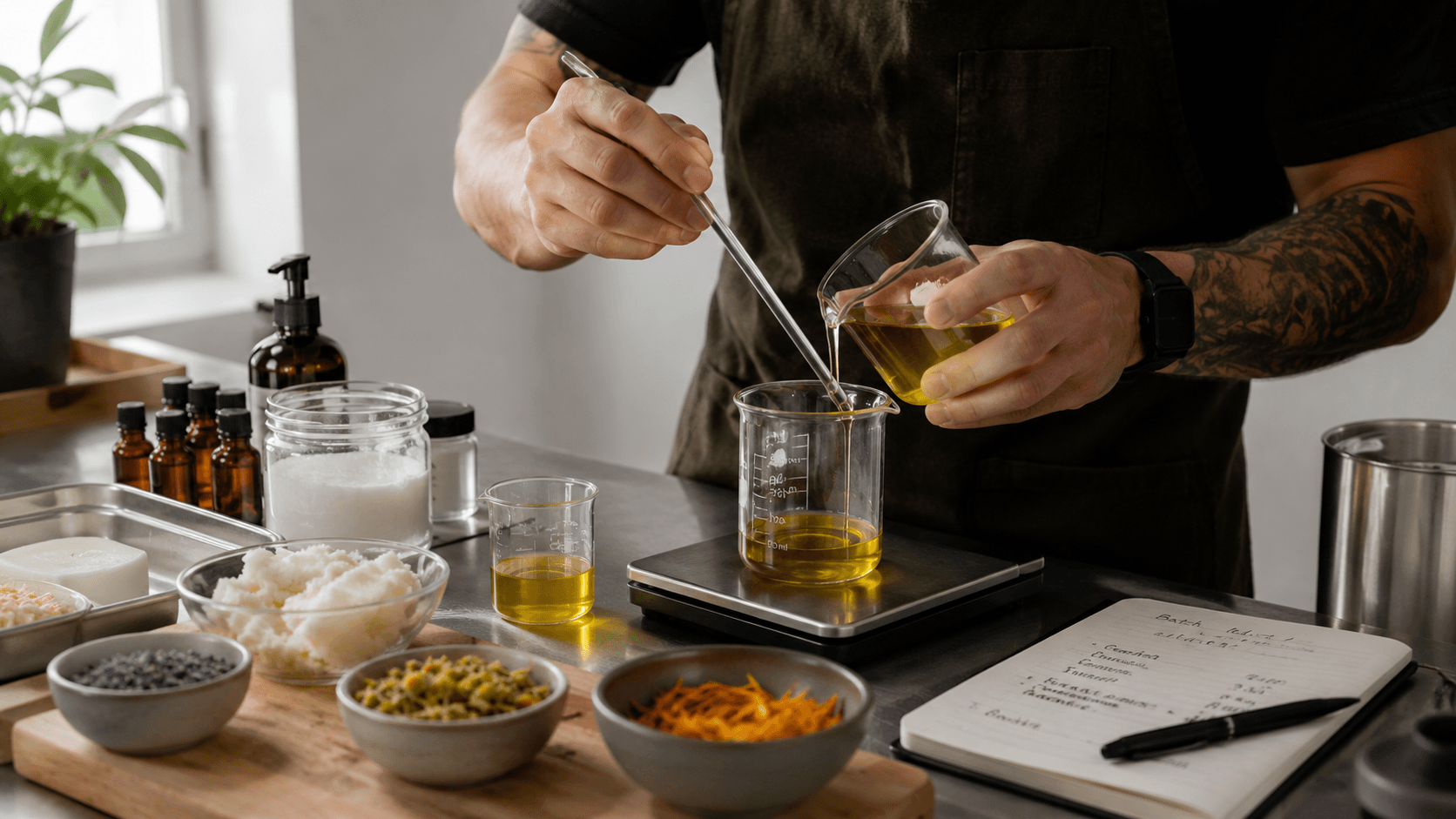
A look at the olive oil, shea butter, colloidal oatmeal and botanical ingredients behind BennyBee Gentle Soap.
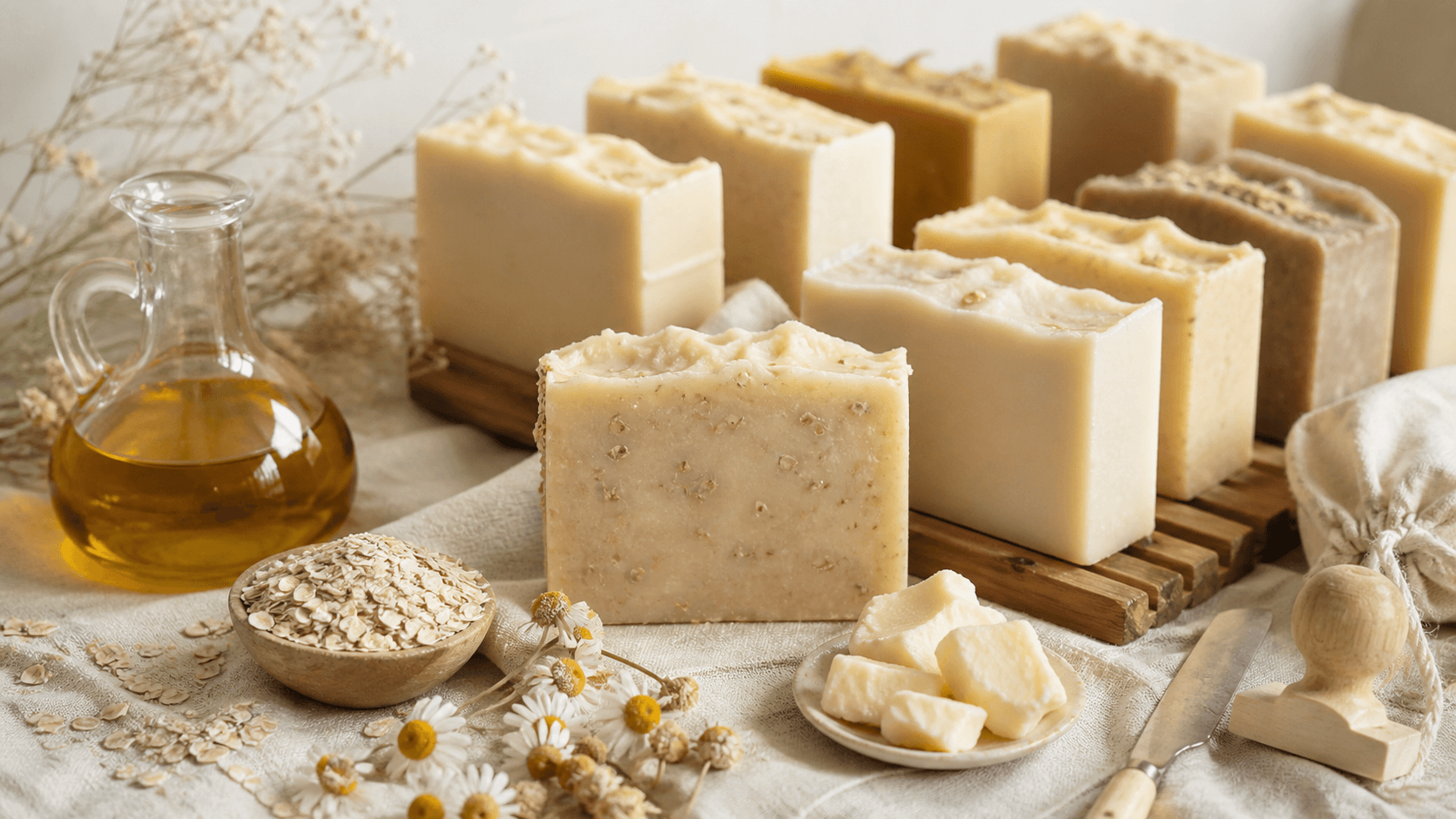
When we started working on BennyBee Gentle Soap, the goal was not to make the strongest-cleansing bar possible.
We wanted an everyday soap with a creamy, comfortable wash and a formula built around ingredients we already value in skin care.
That led us to olive oil, shea butter, colloidal oatmeal and chamomile.
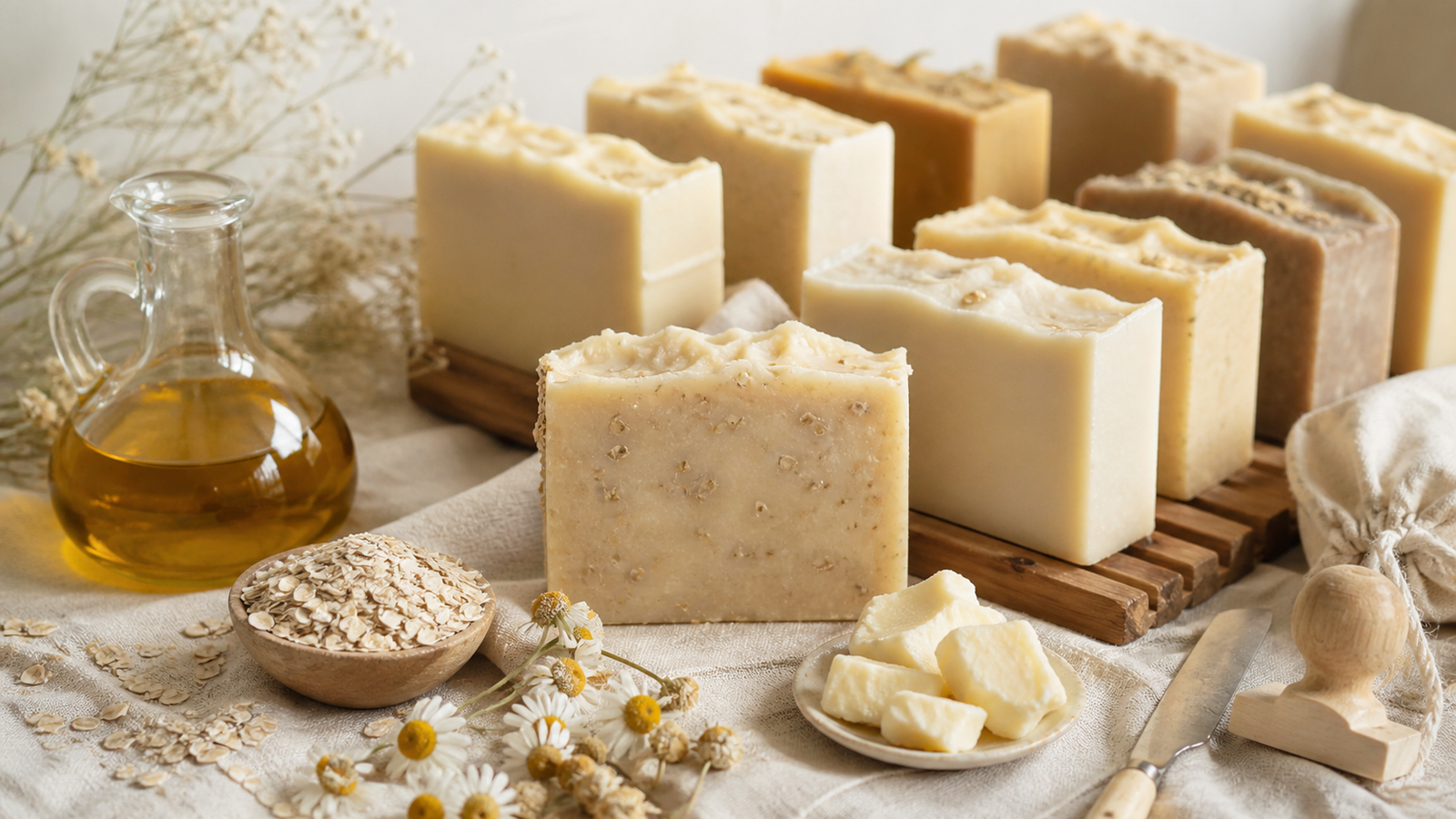
Why olive oil?
Olive oil has been used in soapmaking for centuries.
In handmade soap, it contributes to a milder style of cleansing and produces a bar that develops its character with time.
It is one reason traditional olive-oil soaps are so different from the quick, highly cleansing experience people may associate with some conventional bars.
Shea butter brings richness
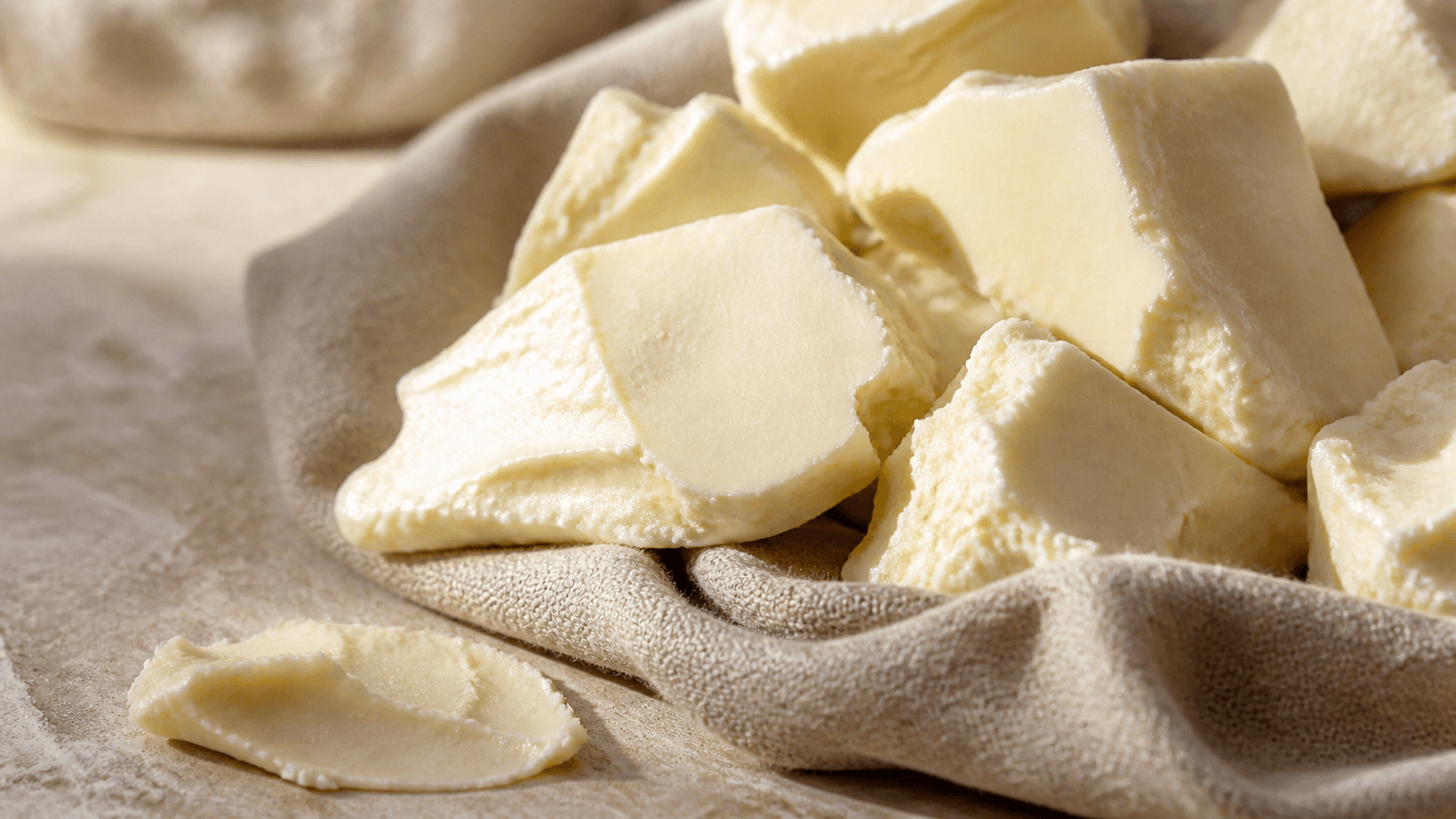
Shea butter is not here just because it is one of BennyBee's signature ingredients.
Its fatty-acid composition contributes to the character and hardness of the finished soap while complementing the olive-oil-focused formula.
It is another example of our basic formulation rule: every ingredient should have a reason to be there.
Why colloidal oatmeal?
Colloidal oatmeal is finely milled oatmeal specifically prepared for use on skin.
It is widely used in skin-care products because of the soft, comforting skin feel it can provide, making it a natural fit for the kind of gentle everyday bar we wanted to create.
It is not there simply for the label. It is part of the experience of the soap itself.
And chamomile?
Chamomile has a long history of use in traditional skin preparations and is one of the botanicals we already use elsewhere at BennyBee.
For Gentle Soap, it complements the simple, botanical character we are trying to build around the bar.
We do not claim that a handmade soap turns chamomile into medicine. We use it because it fits the ingredient philosophy and character of the formula.
Why does handmade soap need to cure?
Making the soap is only the beginning.
After the oils and sodium hydroxide react through saponification, freshly made bars contain considerably more water than the finished soap.
Then we wait.
During curing, water gradually evaporates and the bar becomes harder and longer-lasting. The characteristics of the soap continue to develop as the bar ages.
For BennyBee Gentle Soap, we are giving our bars approximately six weeks to cure before they are ready.
There is no shortcut we are interested in taking just to put them on a shelf sooner.
What happens to the lye?
Seeing "sodium hydroxide" in soapmaking can sound alarming if you have never made traditional soap.
But sodium hydroxide is what allows soap to exist.
During saponification, it reacts with the oils to form soap and glycerin. A properly formulated and completed bar is not simply a mixture of oils with raw lye sitting inside it.
It is chemistry, and a process soapmakers have relied on for generations.
Worth waiting for
Handmade soap is slow by nature.
We formulate it. Pour it. Cut it. Then give it the time it needs.
Our Gentle Soap brings together olive oil, shea butter, colloidal oatmeal and chamomile in a small-batch bar designed around a simple idea:
Gentle everyday cleansing, made carefully and given time.
Further reading
Keep Reading
More from the Journal
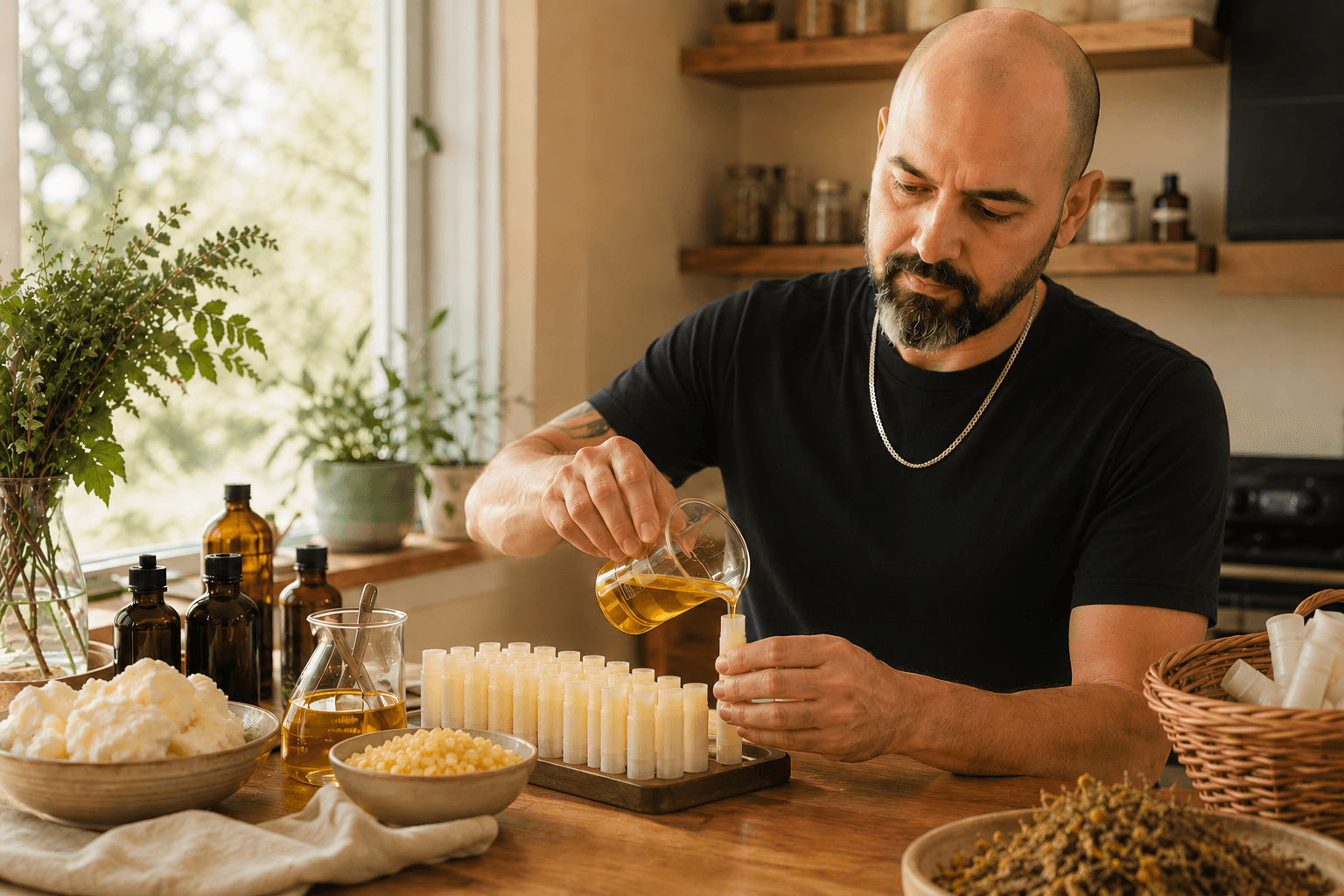
Purposeful everyday care starts with shea-centered lip and skin care.