
BennyBee Journal
Why Handmade Soap Takes Weeks, Not Days
A handmade soap bar can be made in a day, but that doesn't mean it's finished. Discover what happens during the weeks of curing before a cold-process bar is ready.
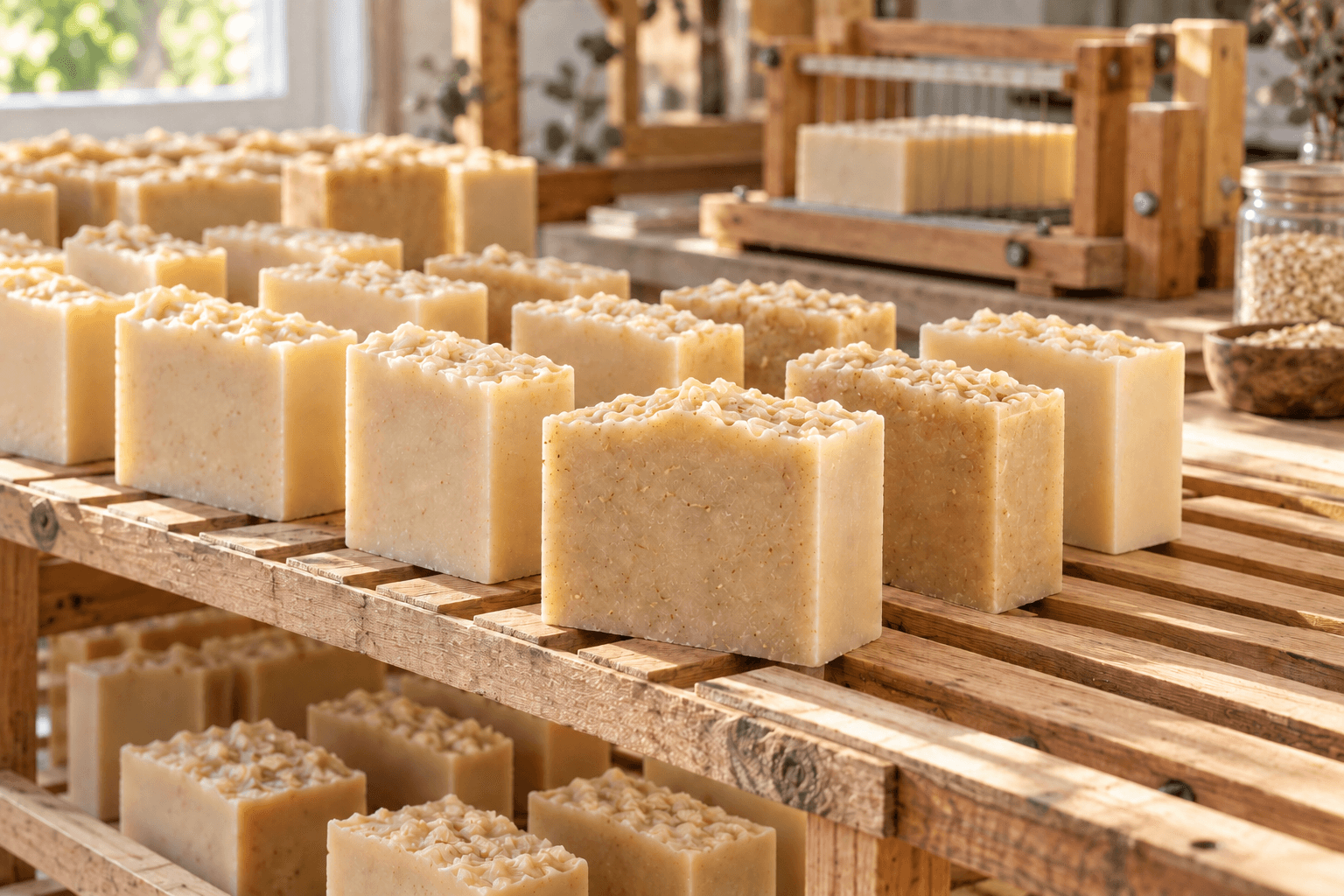
Making a bar of soap doesn't take six weeks.
You can actually make the soap itself in a day.
So why do traditional handmade soap makers often wait four to six weeks or longer before those bars are ready?
Because making the soap is only the beginning.
After a cold-process soap is poured, cut and stamped, something important happens.
We wait.
First, Oils Become Soap
Traditional cold-process soap begins with fats and oils combined with an alkali solution.
This starts a chemical reaction called saponification.
During saponification, the starting ingredients are transformed into soap and naturally occurring glycerin.
This isn't simply oils being mixed together and hardened into a bar. A chemical reaction is taking place.
Once the fresh soap is poured into its mold, that reaction continues as the bar sets.
Then Comes the Cure
After the soap is firm enough, it can be removed from the mold and cut into individual bars.
But freshly cut bars aren't finished.
They are placed somewhere with good airflow and allowed to cure for several weeks.
During this period, water gradually evaporates from the bars.
That changes the soap considerably.
Less Water Means a Harder Bar
Fresh handmade soap contains considerably more water than a fully cured bar.
As some of that water evaporates, the bar becomes harder.
That matters every time the soap gets wet.
A properly cured bar generally lasts longer in use than the same formulation used very early, because a harder bar is less likely to soften and disappear as quickly in the shower or beside the sink.
So curing isn't just about waiting for a date on the calendar.
The physical bar is changing.
The Soap Changes as It Cures
Cold-process soap can also become more pleasant to use as it ages.
The bar continues to lose water and its crystalline soap structure develops during the cure.
That can affect hardness, longevity and the overall experience of using the finished bar.
This is why experienced soap makers don't simply ask:
"Is it soap yet?"
They also ask:
"Is this bar ready?"
Those aren't necessarily the same question.
Why Not Just Sell It Earlier?
Because faster isn't always better.
When you're making products in small batches, there can be a temptation to make something today and put it on the shelf as soon as possible.
We don't think soap should work that way.
If a formula benefits from several weeks of curing, we'd rather give it those weeks.
That means planning batches ahead of time, dedicating space to curing them and accepting that handmade production has its own schedule.
What Goes Into a BennyBee Soap
Our approach to soap follows the same philosophy we use throughout BennyBee.
Start with ingredients we understand.
Give each ingredient a reason to be there.
Keep the formula focused.
And don't make something unnecessarily complicated just so the ingredient list looks impressive.
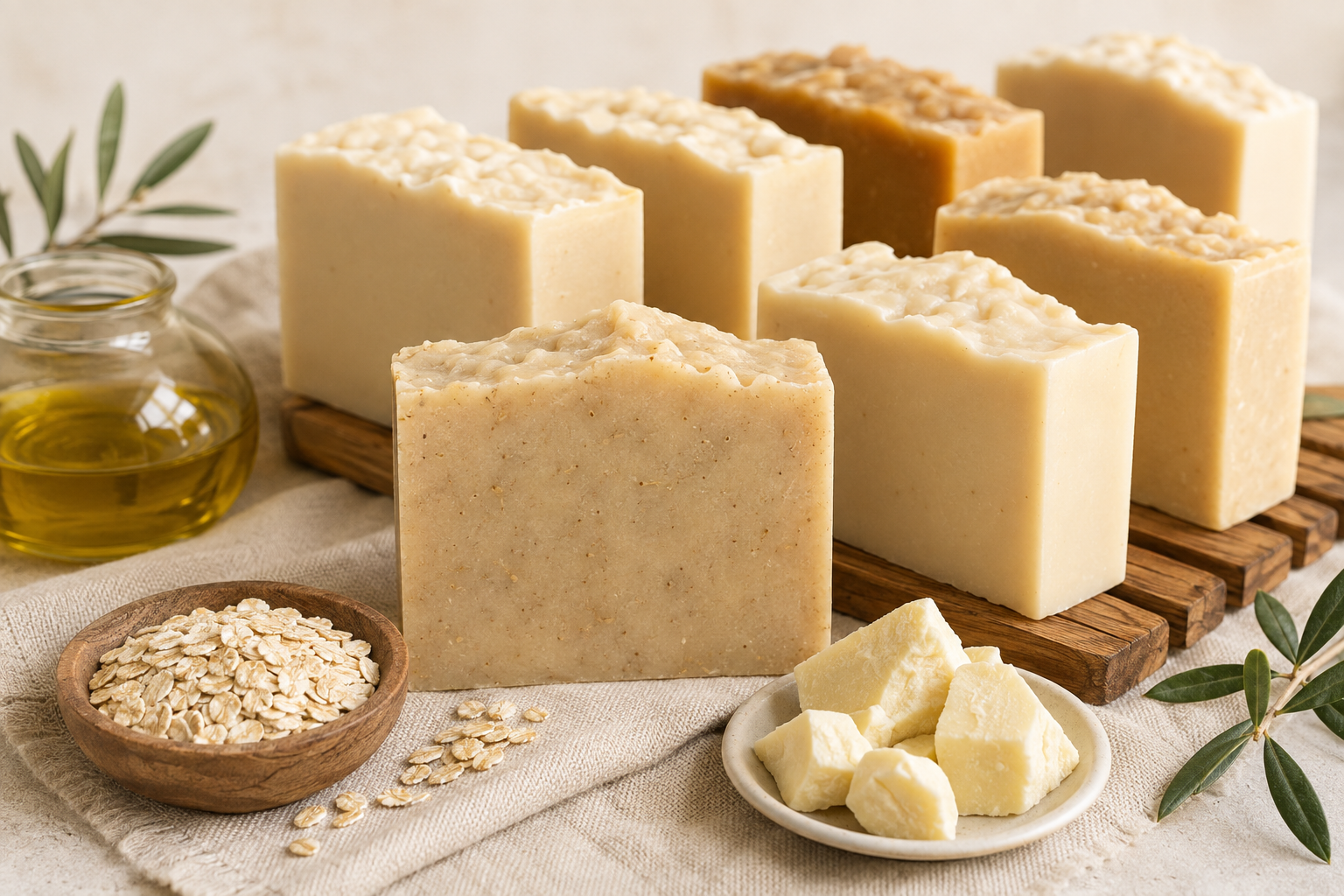
Our soap direction centers around traditional oils and butters, including olive oil, coconut oil, shea butter and castor oil.
Each contributes differently to the finished bar, from hardness and conditioning to cleansing and lather.
Then time gets to do its part.
Small Batch Means Planning Ahead
There is something we like about that.
You can't decide this morning that you need another hundred properly cured cold-process bars by tomorrow afternoon.
You have to make them.
Cut them.
Let them cure.
And wait.
For a small-batch brand, that process makes every production run something you have to think about in advance.
It may not be the fastest way to put soap on a shelf.
But speed isn't the only thing that matters.
Some Things Shouldn't Be Rushed
We're used to products appearing almost instantly.
Handmade soap is a useful reminder that some processes still take time.
A fresh bar may look finished shortly after it's cut.
But over the following weeks, it continues becoming the bar we actually want someone to use.
So when BennyBee soap reaches the shelf, those weeks weren't empty time.
They were part of making the soap.
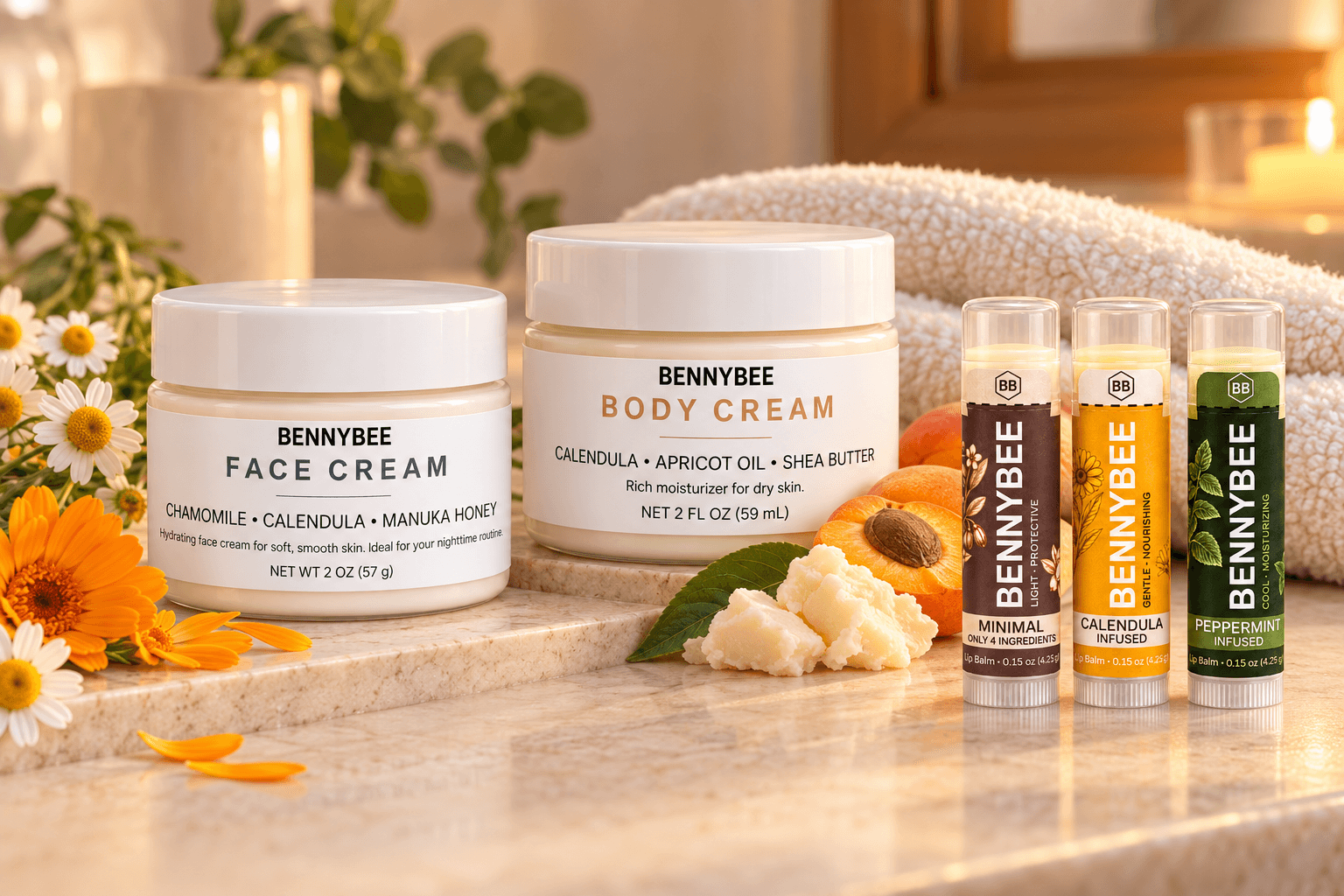
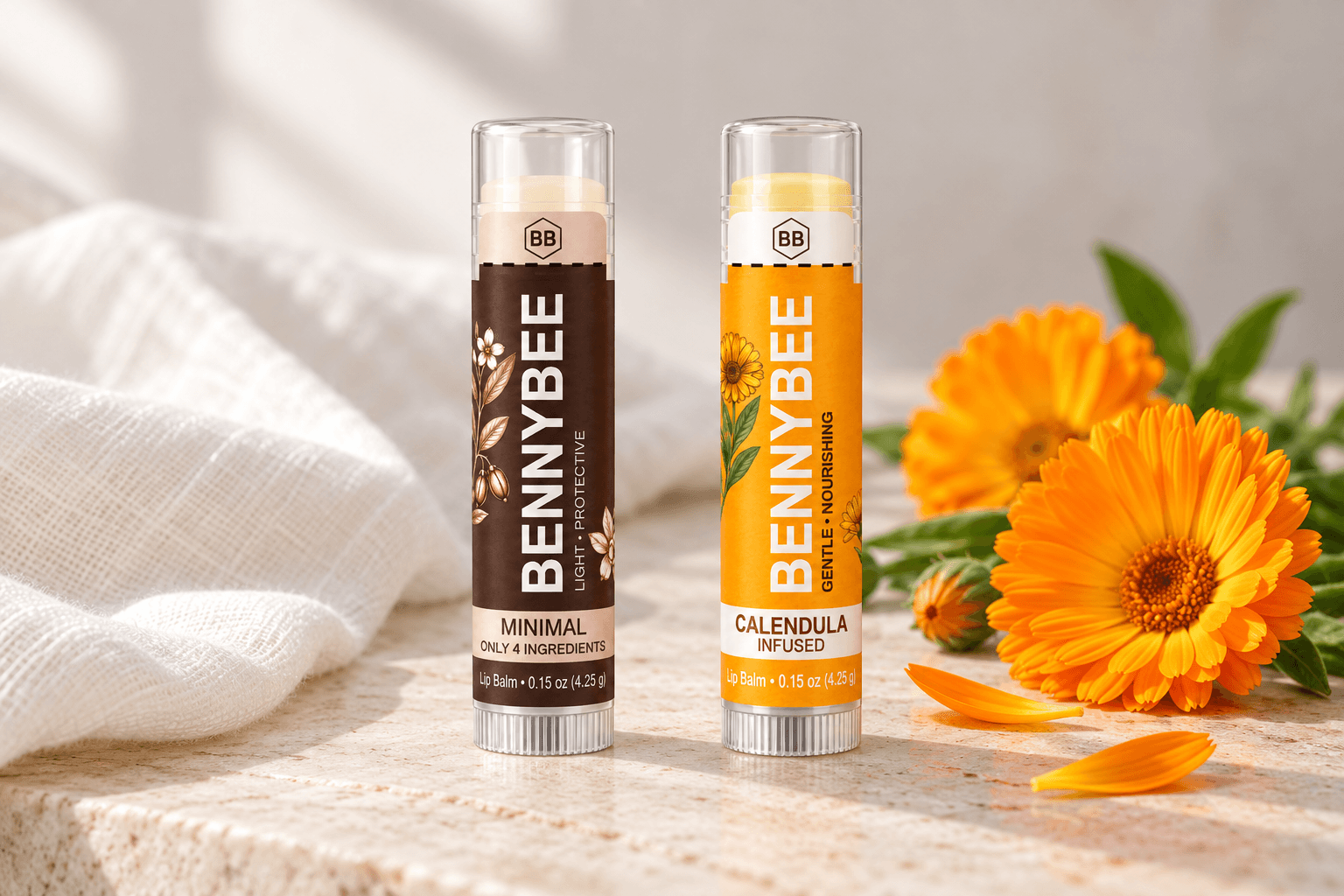
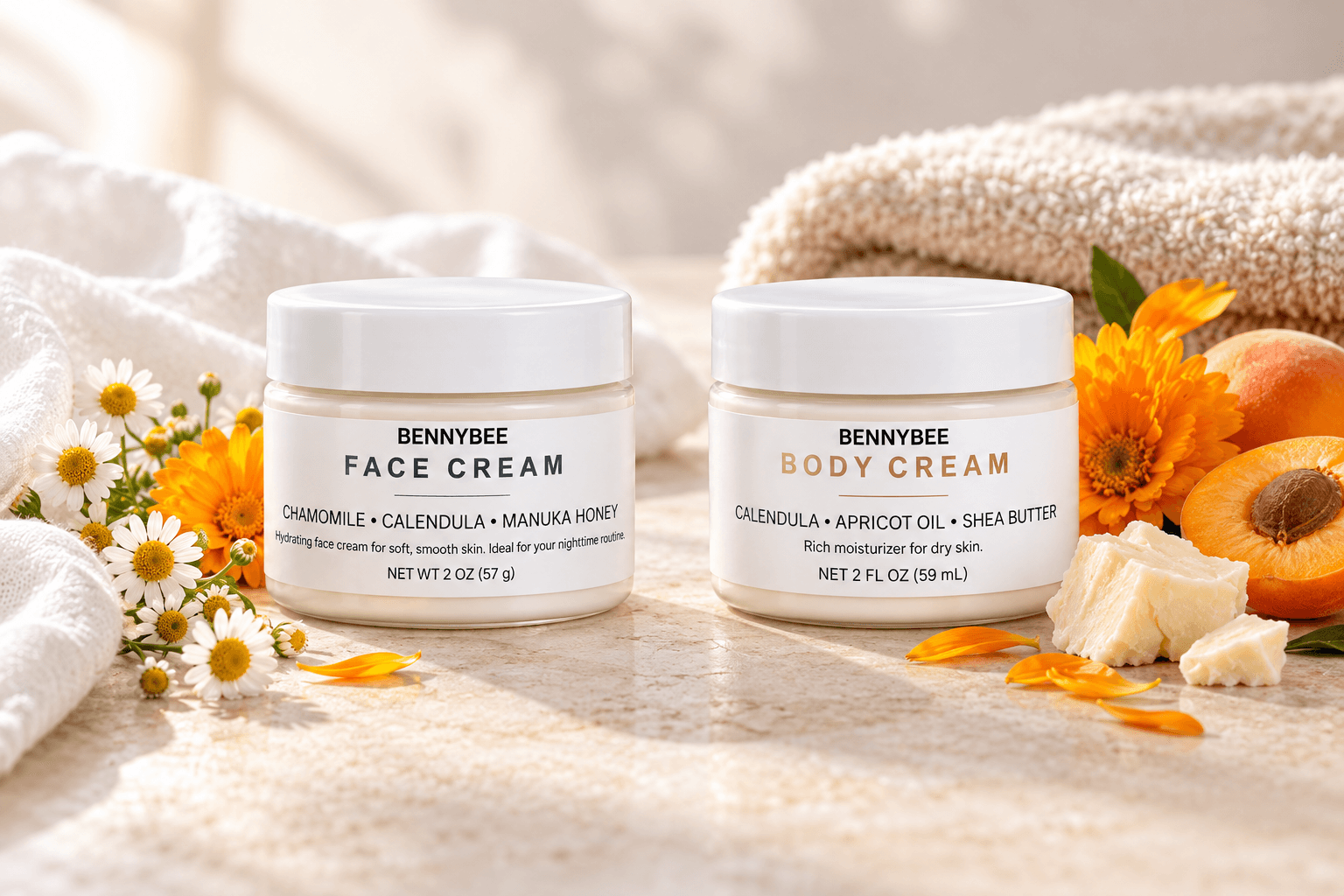
Purposeful everyday care starts with shea-centered lip and skin care.